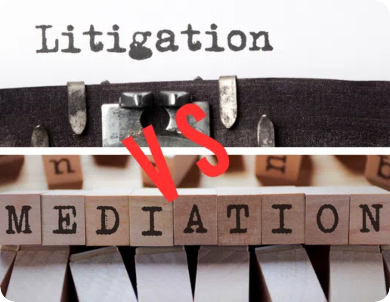
This section is all about why someone should choose mediation in the
first place. It addresses the benefits, contrasts it with alternatives, and
answers the “what’s in it for me?” question.Read More →
Why Mediation - Harmony in Resolution: The Art of Mediation Through Chinese Philosophy
The spirit of mediation aligns with traditional Chinese values, particularly the Confucian idea of harmony (和 Hé) – which is also our logo. Almost every Chinese know by heart with regard to “以和为贵 (Yǐ Hé Wéi Guì): harmony is to be valued above all” and “家和万事兴 (Jiā Hé Wànshì Xīng): a harmonious family leads to success in all endeavours”.
In both New Zealand and Australia, mediation is recognized and encouraged by the legal systems as a valuable alternative to full court proceedings, especially where preserving relationships, controlling costs, keeping confidentiality, and resolving disputes more swiftly are priorities.
Mediation in New Zealand is shaped by professional rules, ethical standards, and court-endorsed practices. It relies on qualified mediators to maintain fairness and neutrality, follows a structured but flexible procedure, and requires active, good-faith participation from parties.
Mediation works best when everyone knows what to expect and understands their role in the process. By setting clear expectations and building understanding, you can approach mediation with confidence, openness, and a realistic view of the possible outcomes.Read More →
Your Mediation Journey: A Checklist of What to Expect
Mediation works best when everyone knows what to expect and understands their role. In both New Zealand and Australia, parties share a common set of expectations.
Working with an accredited mediator gives you confidence that the process will be professional, fair, and respectful. Accredited mediators are trained to help people navigate conflict with neutrality, confidentiality, and care.
Accredited mediators are required to work within a clear framework of laws, ethical codes, and professional standards. These safeguards ensure that your mediator acts with fairness, integrity, and professionalism, so that you can participate in mediation with confidence.
Successful mediation isn’t just about the issues on the table. It’s also about how we communicate and how prepared we are emotionally. By focusing on clear communication and emotional preparedness, you’ll be better equipped to engage in mediation with confidence and compassion.Read More →
Why Emotional Readiness is the First Step to Successful Mediation
Conflict is rarely just about facts. It’s about feelings. Recognising this truth and preparing yourself emotionally is the first and most powerful step toward successful mediation.
How to Communicate Effectively in Mediation (and Beyond)
Communicating well in mediation is about respect, clarity, and openness. By listening deeply, speaking from your own perspective, asking thoughtful questions, and being mindful of how you come across, you make it easier to resolve disputes.
If you let go of the idea of “winning,” stay open to compromise, and focus on shared interests and future solutions, you give yourself the best chance of reaching an agreement that feels fair and lasting.